Real-World Case Studies
In this final lesson, we apply everything "A Master" has learned to three famous real-world architectures.
1. YouTube: Handling Massive Video Data
The Challenge: Users upload 500 hours of video every minute. How do you store them and make sure they play without buffering?
The Architecture:
- Blob Storage (S3-style): Videos aren't stored in a database. They are stored as files in a massive distributed storage system.
- Transcoding Servers: When you upload a 4K video, YouTube's servers instantly create versions in 1080p, 720p, 480p, and 144p so people with slow internet can still watch.
- CDN (Content Delivery Network): YouTube uses its own global network (Google Global Cache) to store popular videos at "Edge Locations" right inside your local ISP's office.
2. Netflix: The King of Availability
The Challenge: Netflix accounts for 15% of all global internet traffic. If their database goes down, millions of people get angry.
The Architecture:
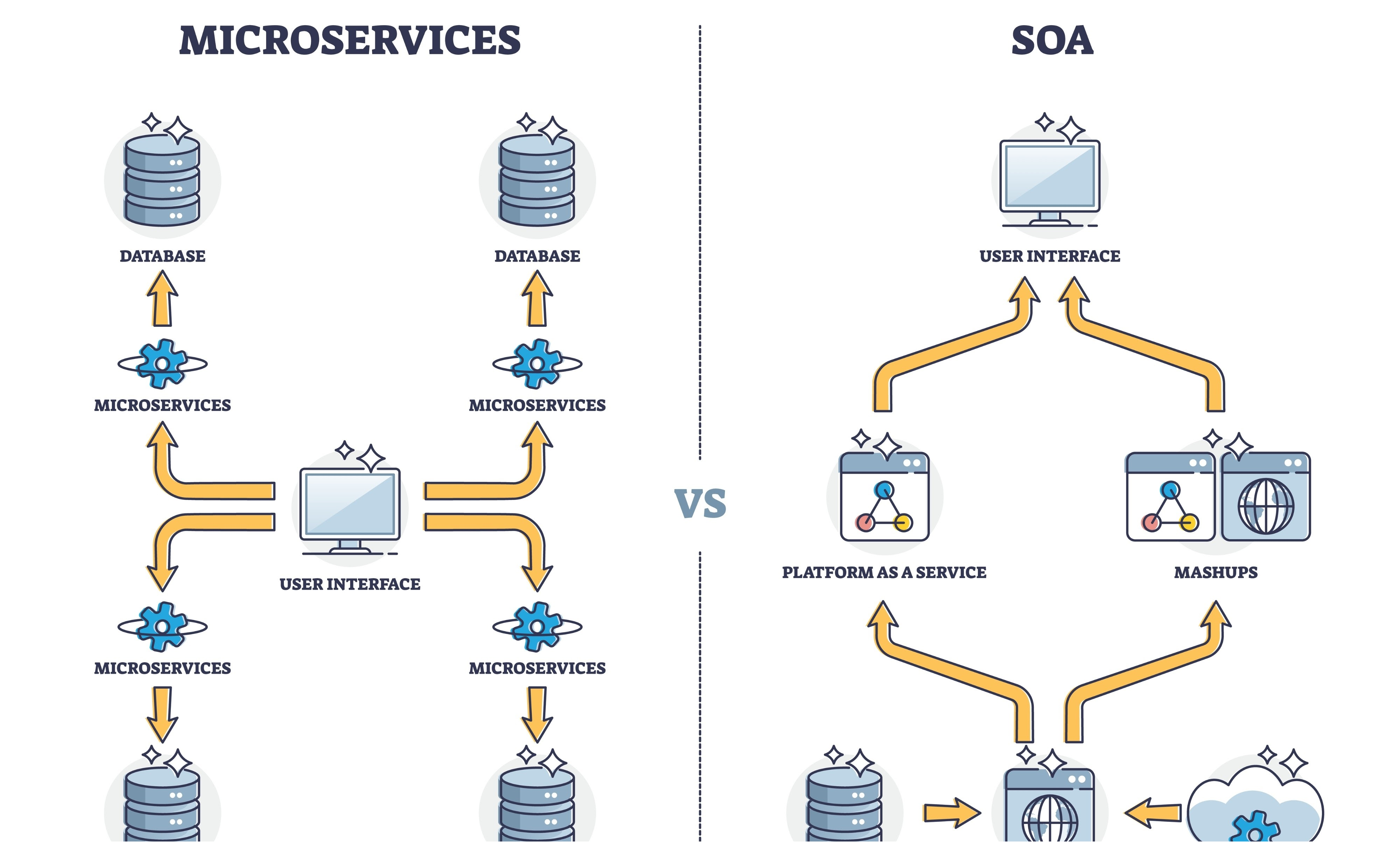
- Microservices: Netflix isn't one big app. It’s over 1,000 tiny services (one for the "Search" bar, one for "Recommendations," one for "Billing"). If "Recommendations" breaks, you can still watch your movie.
- Chaos Engineering: Netflix created a tool called "Chaos Monkey" that randomly deletes their own servers in production! This forces their engineers to build systems that are Self-Healing.
- Open Connect: Like YouTube, Netflix places its own hardware (boxes full of movies) inside local internet providers all over the world.
3. WhatsApp: 2 Billion Users, 1 Goal
The Challenge: Handling billions of messages with "End-to-End Encryption" while ensuring they are delivered instantly.
The Architecture:
- WebSockets: WhatsApp keeps a "Long-Lived" connection open between your phone and their server. This is why you see "Typing..." in real-time.
- Message Queue: If your friend is offline, the message is stored in a queue (like a digital post office). As soon as they turn on their data, the message is "pushed" to them and deleted from the server.
- NoSQL Speed: WhatsApp uses high-performance databases to handle the massive write-load of billions of messages per hour.
4. The "Master" Summary
What do all these systems have in common?
| Problem | The "Master" Solution |
|---|---|
| Too many users? | Add a Load Balancer and Scale Horizontally. |
| Site is slow? | Add a Cache (Redis) and a CDN (CloudFront). |
| Data is too big? | Use Database Sharding and S3 Storage. |
| System is crashing? | Move to Microservices to isolate the failure. |
Final Challenge: Design CodeHarborHub v2
Imagine CodeHarborHub suddenly gets 10 million students today.
- Where would you put the videos? (S3 + CDN)
- How would you handle the "Live Chat" during a workshop? (WebSockets)
- How would you keep the "Course Progress" safe? (SQL Database with Replicas)